Common Golf Swing Faults
The 24 most common golf swing faults Coach Harvey detects, with the correct form and recommended drills for each.
Head Movement
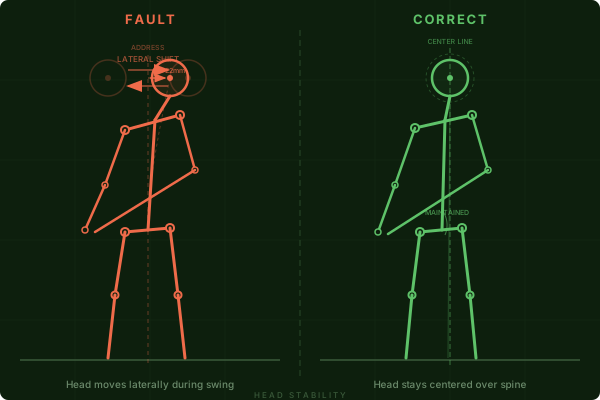
Excessive lateral or vertical head movement during the swing disrupts the swing center and leads to inconsistent contact.
Early Extension
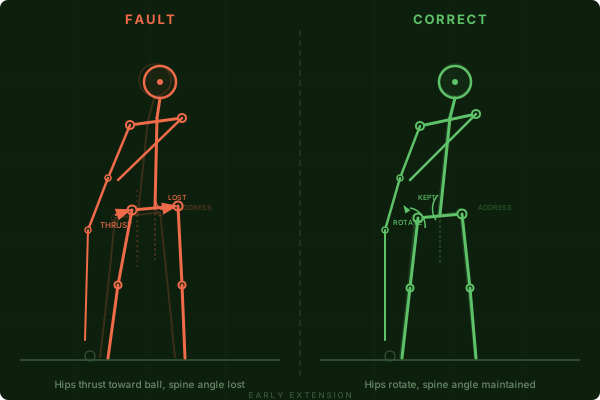
Hips thrust toward the ball during the downswing instead of rotating, causing thin and fat shots.
Over the Top
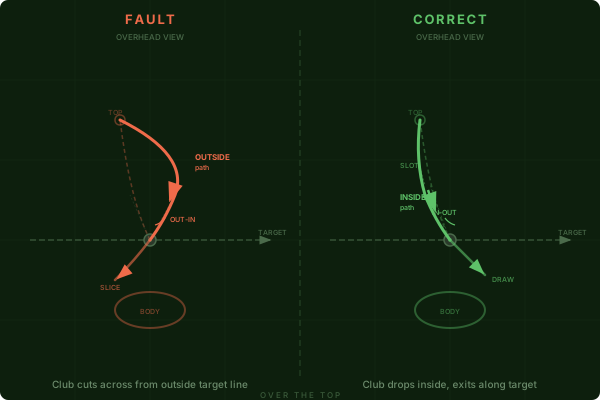
The club moves outside the target line on the downswing, producing pulls and slices.
Sway
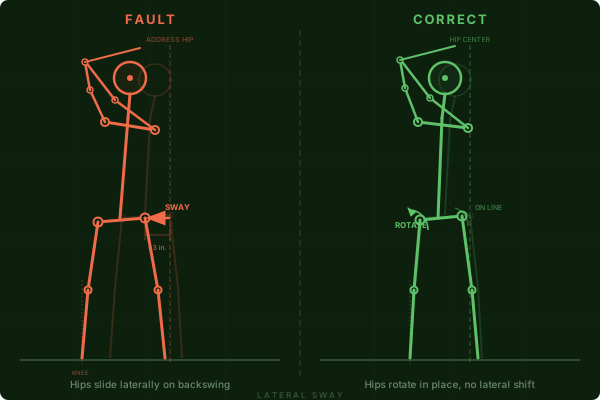
Lateral hip slide away from the target on the backswing instead of rotation, causing inconsistent low point.
Casting / Early Release
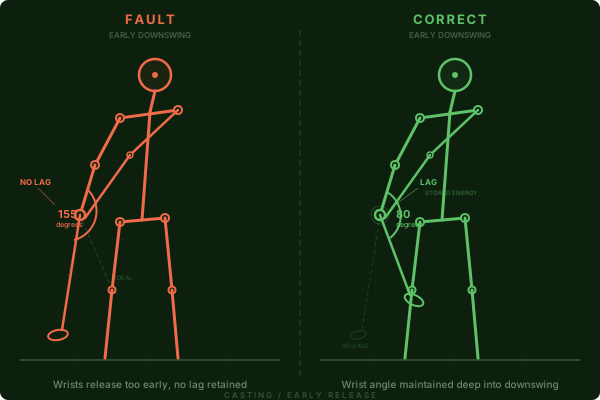
Releasing wrist hinge too early in the downswing, losing lag and power.
Reverse Pivot
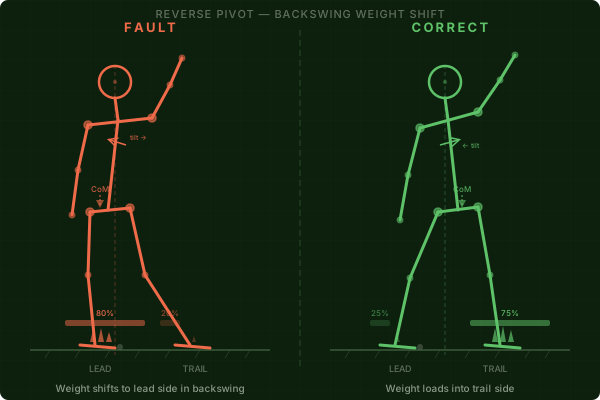
Weight shifts toward the target on the backswing and away on the downswing — opposite of correct sequencing.
Chicken Wing
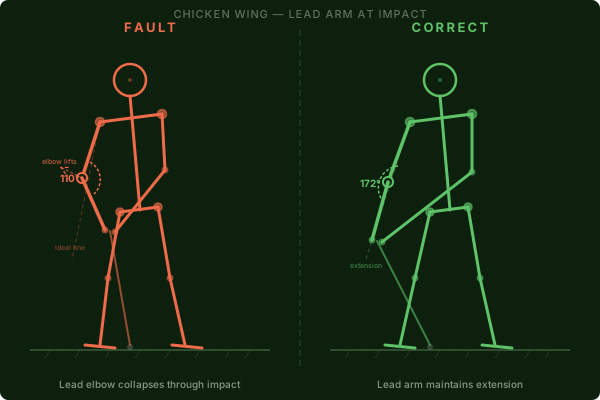
Lead arm bends and lifts through impact, causing loss of extension and inconsistent strikes.
Flat Shoulder Turn
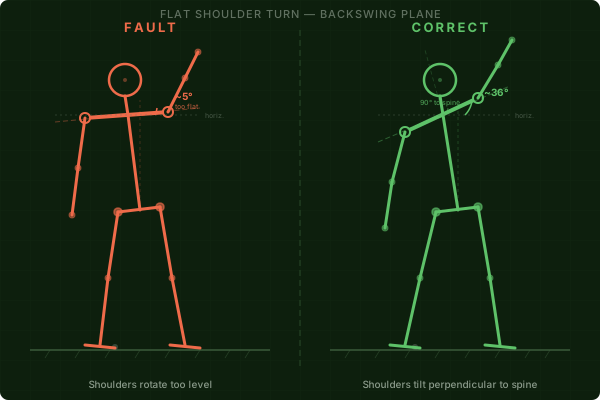
Shoulders rotate too level instead of tilting, leading to a shallow swing plane and inconsistent contact.
Loss of Posture
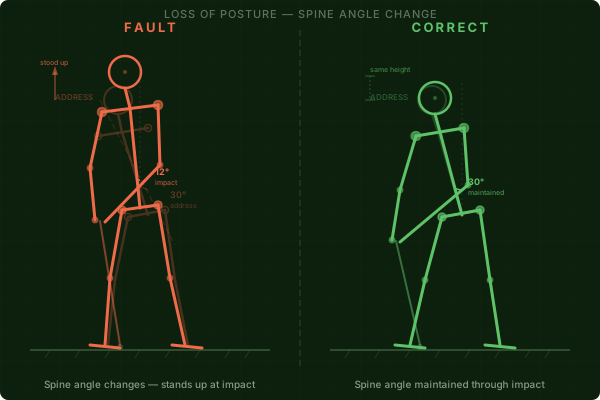
Standing up or changing spine angle during the swing, causing inconsistent contact and topped shots.
Slide
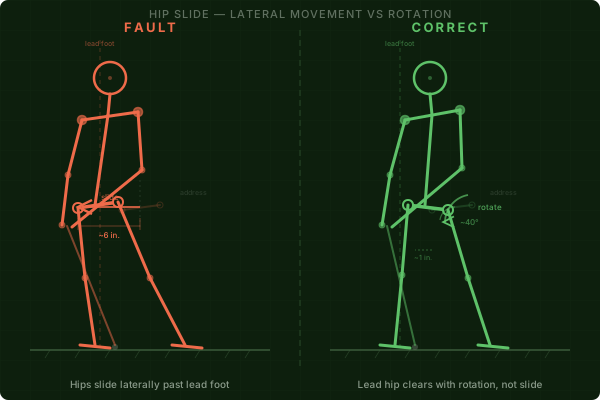
Excessive lateral hip movement toward the target on the downswing instead of rotation.
Deceleration
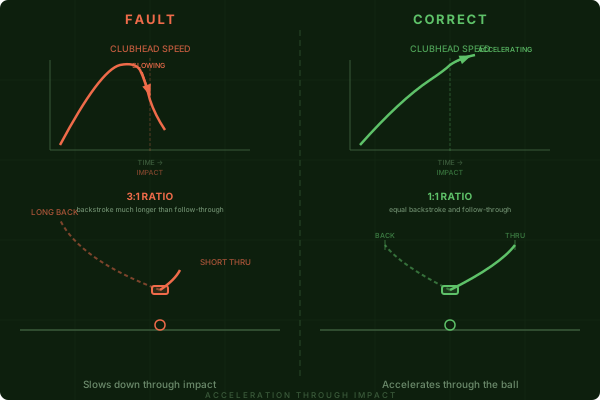
Slowing the club down through impact instead of accelerating, causing inconsistent distance control and weak contact.
Wrist Breakdown
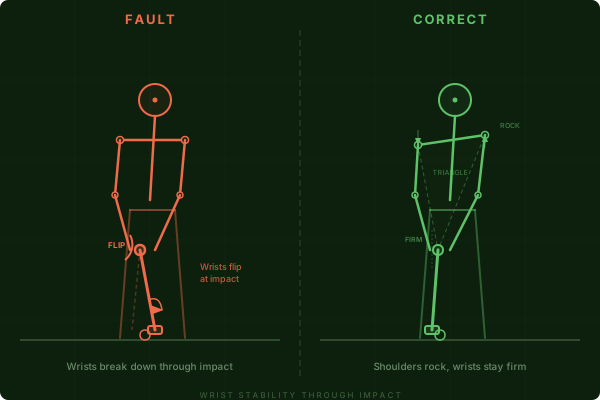
Wrists break down or flip through impact instead of staying firm, causing inconsistent face angle and poor distance control.
Poor Alignment
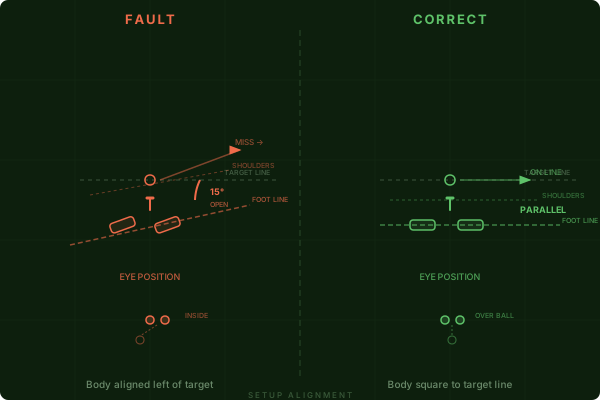
Body lines (feet, hips, shoulders) not aligned parallel to the target line, causing pushes, pulls, and compensations in the stroke.
Scooping
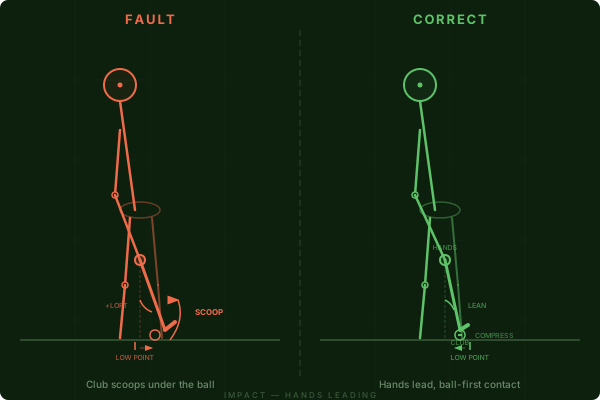
Trying to lift the ball by flipping the wrists upward through impact, adding loft and causing fat/thin contact.
Inconsistent Tempo
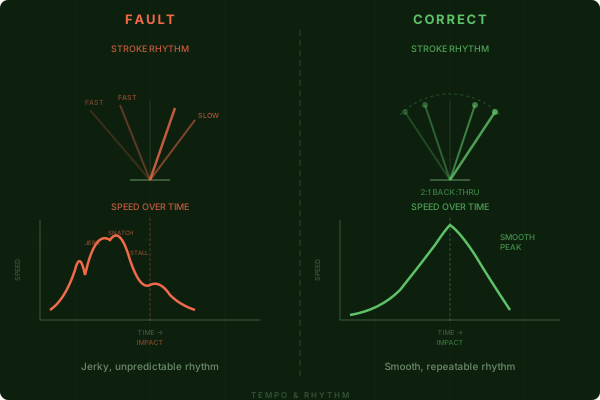
Jerky, uneven rhythm through the stroke with sudden speed changes, causing inconsistent contact and distance control.
Poor Ball Position
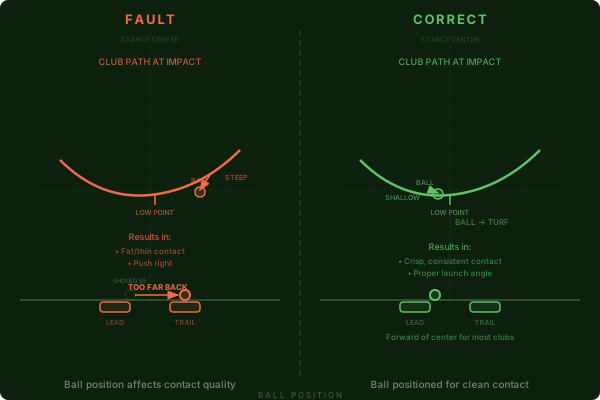
Ball positioned too far forward or back in the stance, causing the club to contact the ball at the wrong point in the swing arc.
Stroke Path Inconsistency
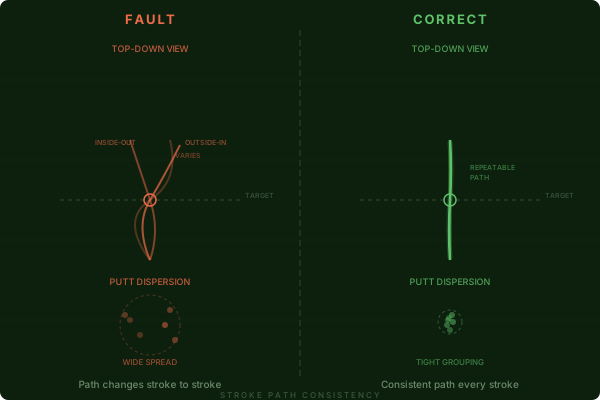
The putter or club follows a different path on each stroke — sometimes inside-out, sometimes outside-in — causing unpredictable start lines.
Eye Position
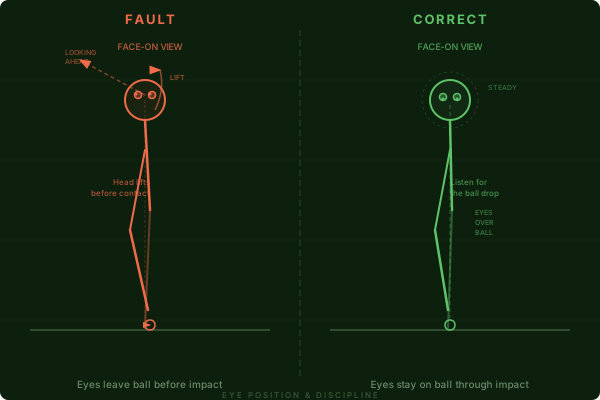
Eyes are not positioned over or just inside the ball at address, or the head lifts to look at the target before impact, pulling the stroke offline.
Grip Pressure
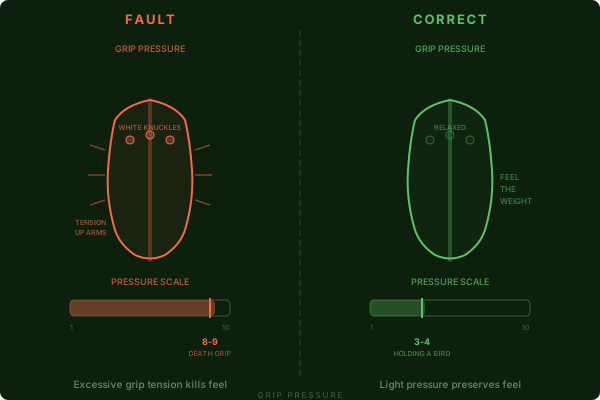
Gripping the club too tightly creates tension in the hands, wrists, and forearms, killing feel and preventing a smooth, free-flowing stroke.
Open Clubface
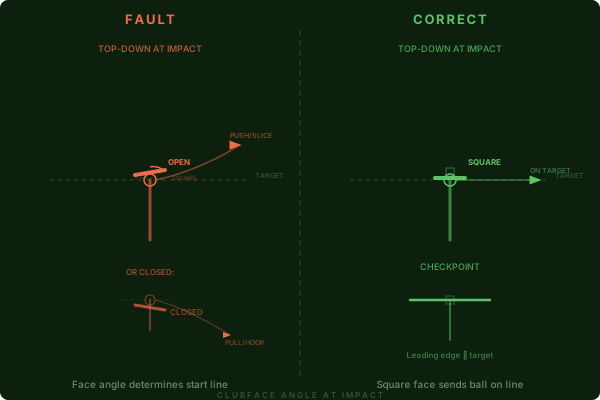
The clubface is not square to the target at impact — either open (pointing right) causing pushes/slices, or closed (pointing left) causing pulls/hooks.
Swing Plane
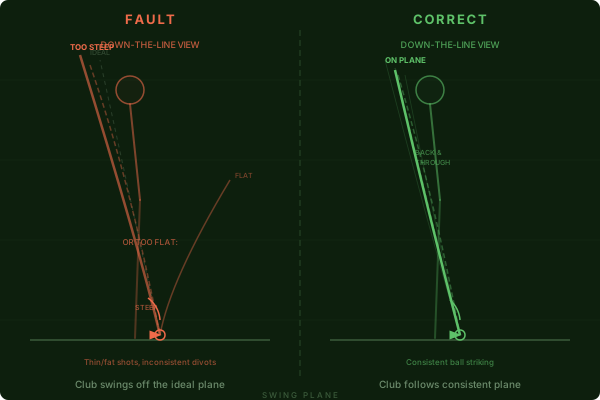
The club is swinging on too steep or too flat a plane relative to the ideal angle set at address, causing inconsistent contact.
Poor Weight Transfer
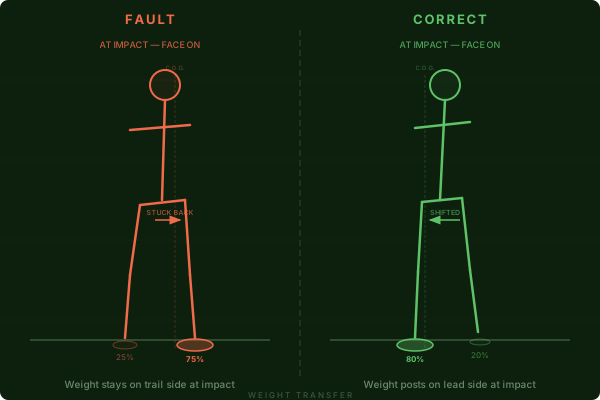
Weight stays on the trail foot through impact instead of transferring to the lead side, causing fat shots, thin contact, and loss of power.
Abbreviated Follow-Through
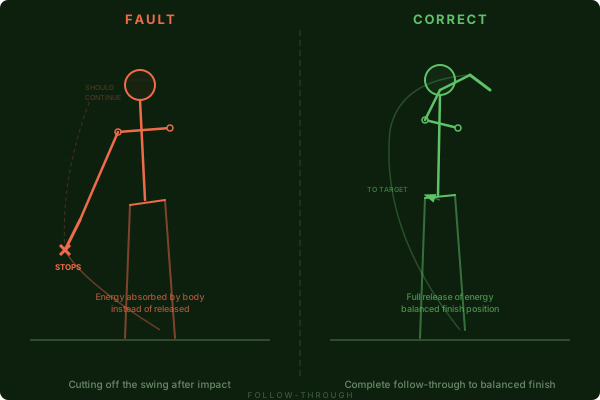
Cutting the swing short after impact instead of completing to a full, balanced finish.
Weak Grip
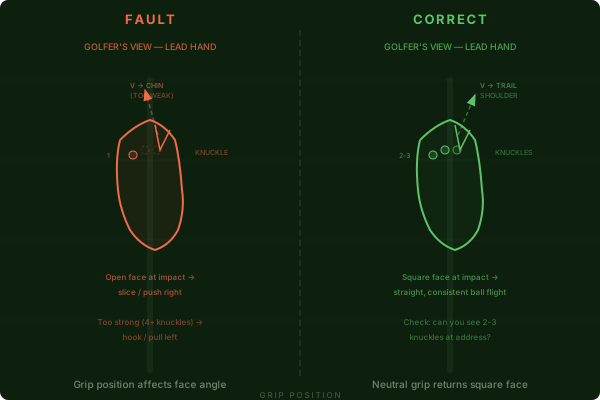
The hands are rotated too far to the left (for a right-handed golfer) on the club, promoting an open clubface at impact and a slice.